Elephants in Thailand: What tourists must know
Looking to see elephants on your next trip? We visited more than 200 elephant tourism venues in Thailand and here’s what we found.
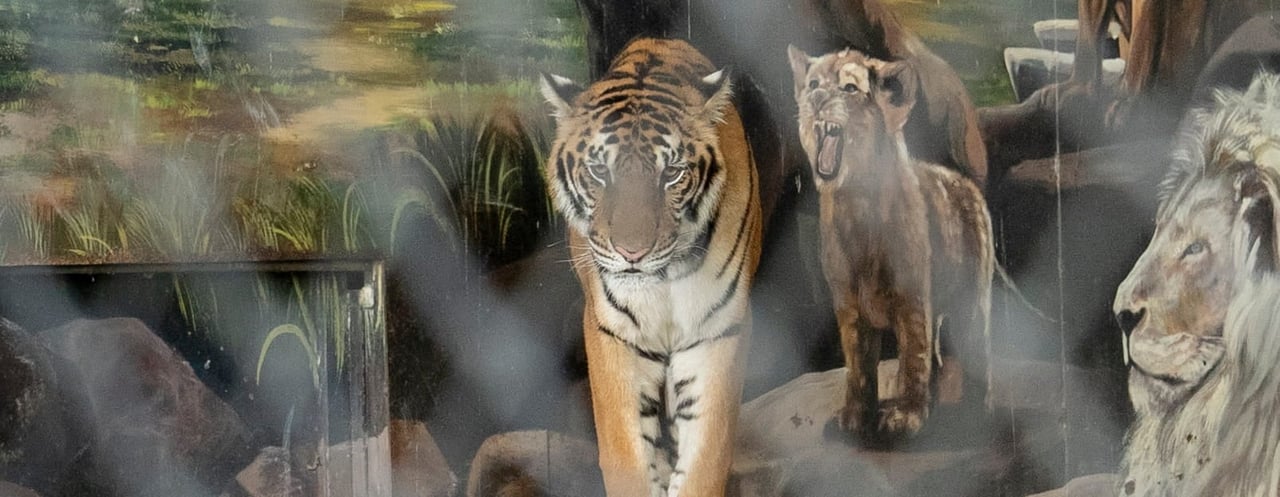
Right now, thousands of wild animals are being exploited for our entertainment. Whether it is watching tigers perform in shows and taking selfies with koalas or swimming with dolphins and riding elephants – these activities can cause lifelong physical and psychological suffering for these wild animals.
Across the world, wild animals are cruelly snatched from their natural habitats or bred in captivity and made to suffer a lifetime of cruelty and abuse in the name of wildlife tourism and entertainment.
People love to see animals when they are on holiday. And because demand for animals in the entertainment industry is so high, these animals continue to be used and abused for profit in ever-increasing numbers. From posing for a photograph with an animal to riding wild animals, the increasing demand from people on holiday means these animals will continue to suffer for our entertainment.
Travel companies around the world profit from some of the cruellest types of wildlife tourist attractions on earth. But we can work together to educate ourselves and others to make animal friendly choices when we are on holiday to reduce demand for animal entertainment.
Seeing a captive wild animal in an unnatural setting, forced to behave in an unnatural way, paints an unnatural picture of wild animals and their natural behaviour for visitors. So, see wild animals in the wild where they belong.
With your support, wild animals can live a wild life, where they can thrive. And, together, we can end wild animal exploitation for commercial gain.
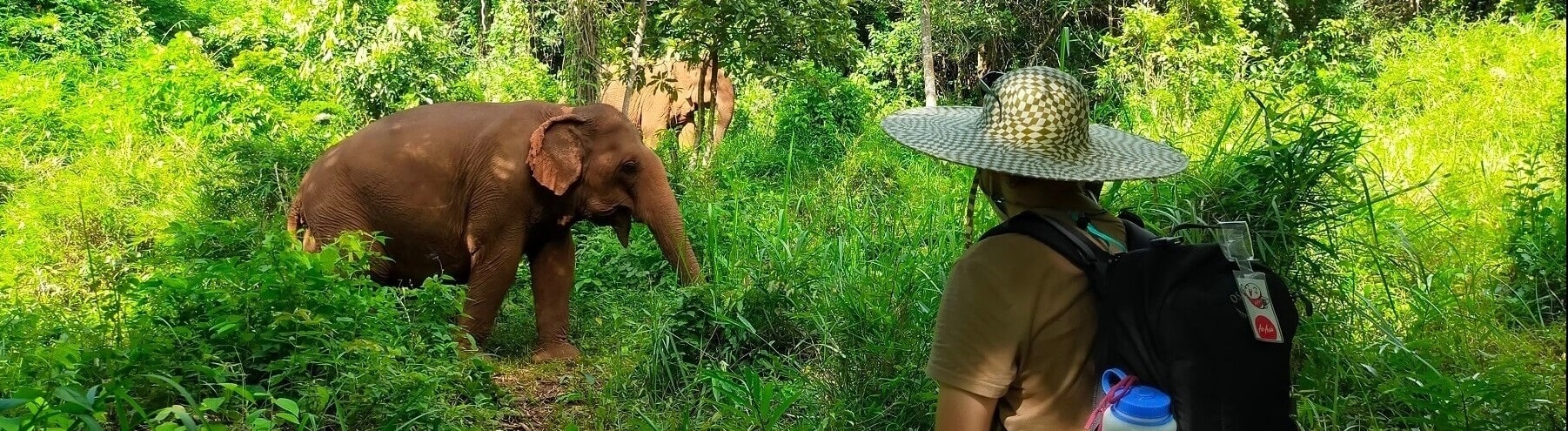
Seeing wild animals at home or abroad can be a memorable part of any travel experience. However, you may not be aware of the severe cruelty and abuse that these helpless animals face behind the scenes.
At each stage, from being poached from the wild or bred in captivity to being exploited until the very end, captive animals in wildlife tourism undergo intense suffering and trauma.
Animals in this industry often suffer physically and psychologically from not being able to move and behave as they would naturally in the wild. On your vacation, you may see wild animals performing in shows. You may be approached to pose with animals for photos or be offered souvenirs made from animal skins, shells, or bones.
Often, the worst cruelty is hidden from view. Many animals like monkeys, tigers and elephants are removed at an early age from their mothers and have often had to endure painful training to force them to do unnatural things like give people rides, perform tricks, and allow people to touch them.
Sadly, many tourists and day trippers who love animals may actually contribute to animal suffering, simply because they are unaware of the hidden cruelty.
Our travel guide lets you know what to look out for, so you can make informed decisions about animal experiences on your journey at home and abroad. It also demonstrates the best way to make a difference to exploited animals when you’re on holiday.
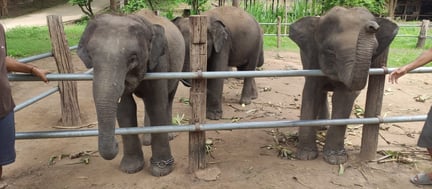
Looking to see elephants on your next trip? We visited more than 200 elephant tourism venues in Thailand and here’s what we found.
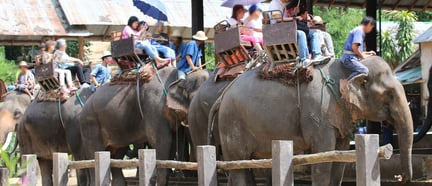
Everything you need to know about elephant tourism at popular tourist spots like Thailand and more.
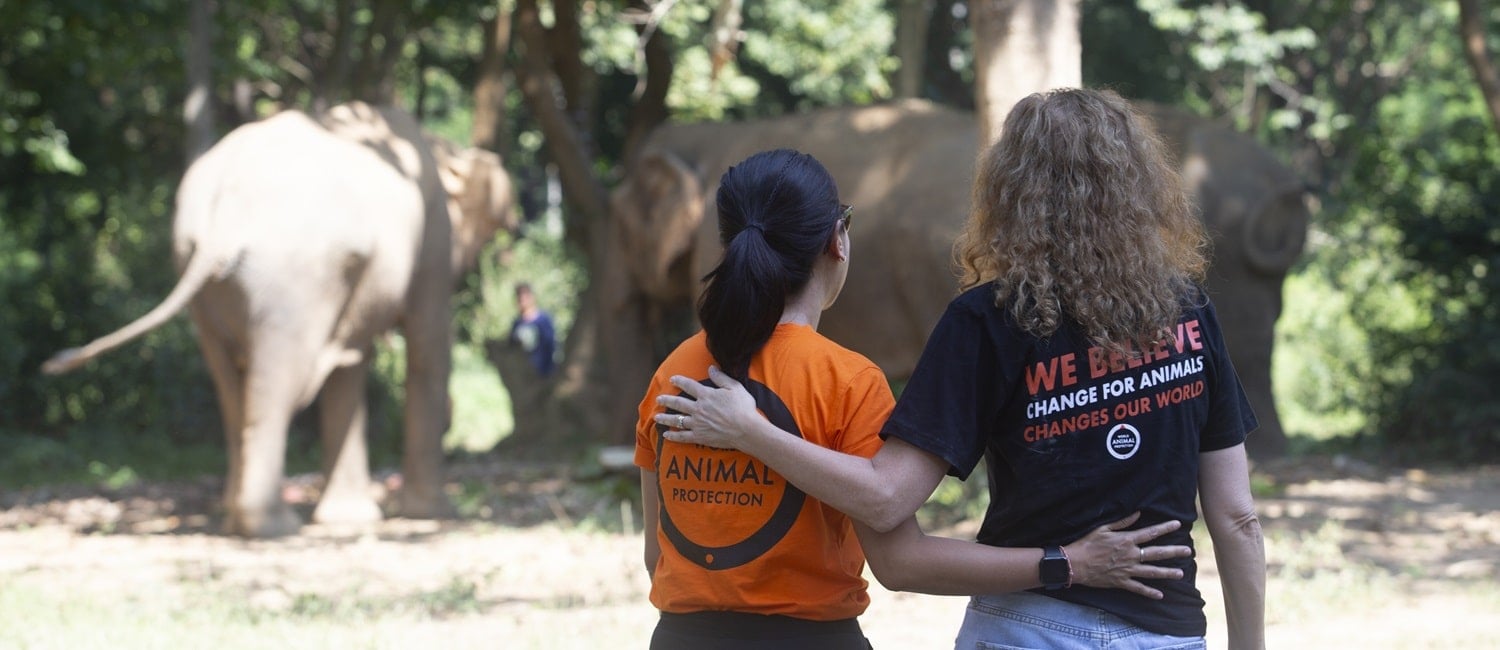
But we can work together to educate ourselves and others to make animal friendly choices when we are on holiday to reduce demand for animal entertainment.
The travel industry can play a key role in a responsible future for wild animals by only promoting and selling responsible wildlife experiences. And by adopting and implementing a wildlife friendly policy. Here are just some of the travel companies and tour operators we have worked with to develop a wildlife policy. By working with World Animal Protection they are helping transition the travel industry towards a wildlife-friendly future.




















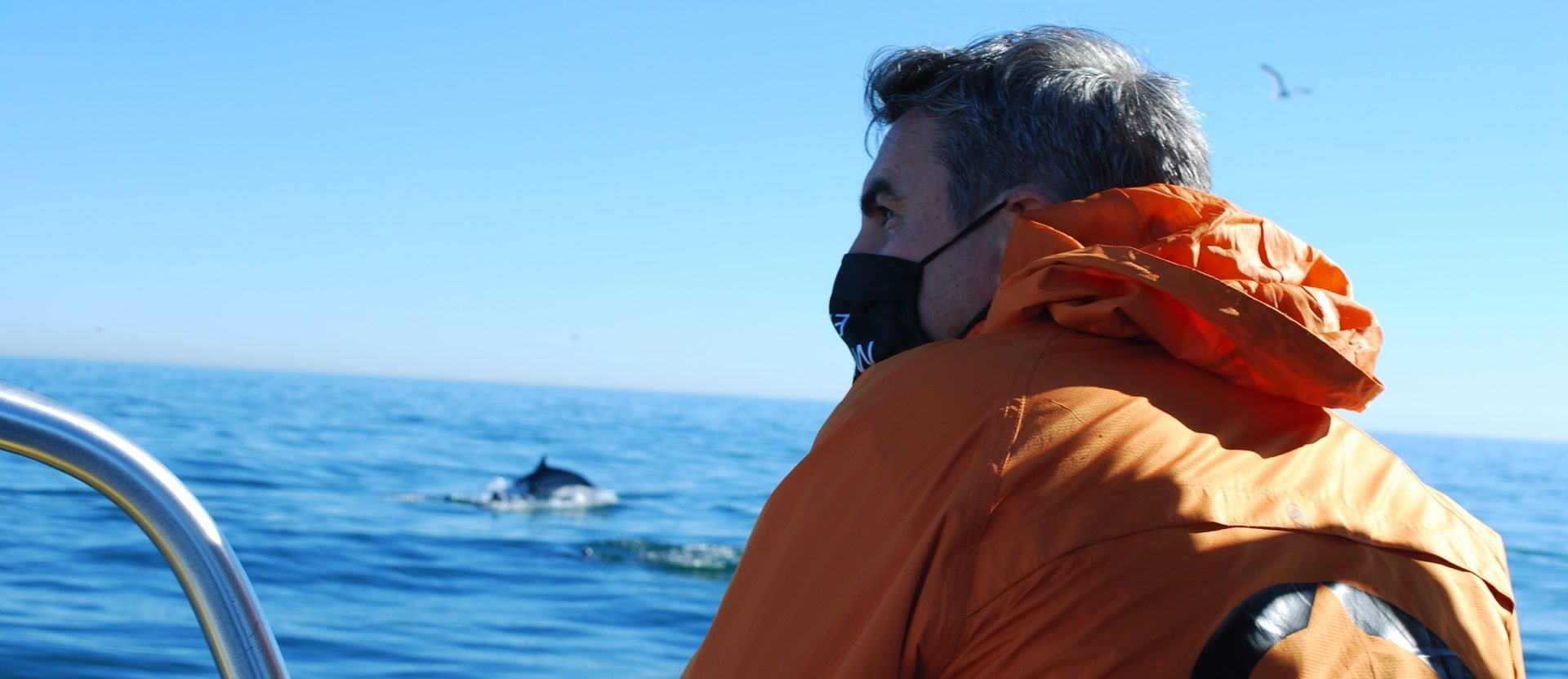
The best place to see a wild animal is in their natural habitat. Wildlife Heritage Areas is a global programme that we developed with the World Cetacean Alliance that recognises global destinations that offer responsible wildlife-watching tourism. These destinations incorporate high standards of animal welfare, sustainability, and nature conservation to help ensure wildlife, ecosystems, and communities can survive and thrive together.
Each area goes through an application process developed by the Wildlife Heritage Network of specialist NGOs, wildlife experts, responsible tourism companies, and local communities. The ultimate goal of this initiative is to provide travel companies like yours and tourists with examples of identifying and supporting responsible wildlife tourism destinations with high standards of animal welfare, biodiversity conservation, and community well-being. Hervey Bay in Australia is one such area.
RESPONSIBLE WILDLIFE TOURISM INITIATIVES
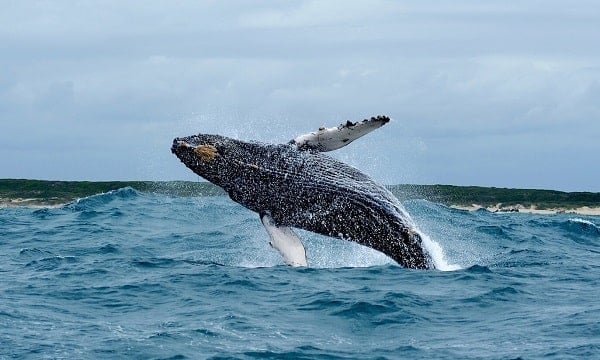
Whale Heritage Sites are an ethical tourist option to have meaningful experiences with whales and dolphins.
Learn moreTo cater to the demand for elephant attractions, thousands of elephants are being taken from the wild or bred in captivity, beaten into submission, and forced to suffer in the name of wildlife tourism. However, there is a way for tourist venues to be commercially viable while being elephant friendly.
Over the past few years, many such venues are increasingly shifting away from cruelty and are transitioning to elephant-friendly venues that provide responsible elephant experiences to tourists. The transition allows elephants to be free to behave as they would in the wild; free to roam the valley, graze, and bathe in mud, dust, and water.
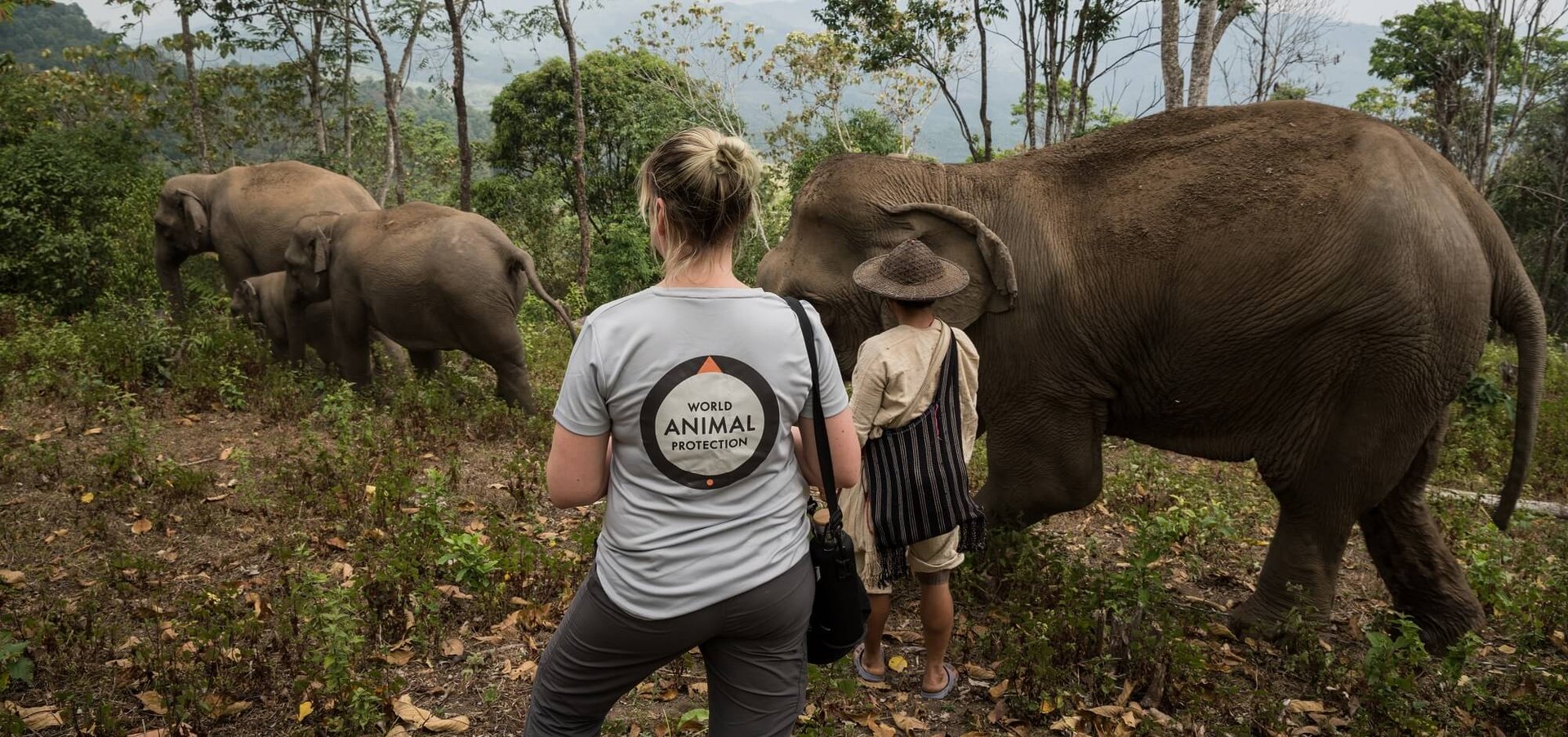
With help from us and some leading travel companies, two elephant venues ChangChill and Following Giants in Thailand have transitioned into elephant-friendly and stopped direct visitor interactions with their resident animals. They offer a better life for the elephants and a unique experience for travellers without the inherent cruelty of direct interactions.
RESPONSIBLE WILDLIFE TOURISM INITIATIVES
The best place to catch a glimpse of elephants in all their glory is, without a doubt, the wild. But this is not always possible.
Learn moreWe support genuine sanctuaries around the world to help care for previously exploited animals such bears that can't be returned to the wild.
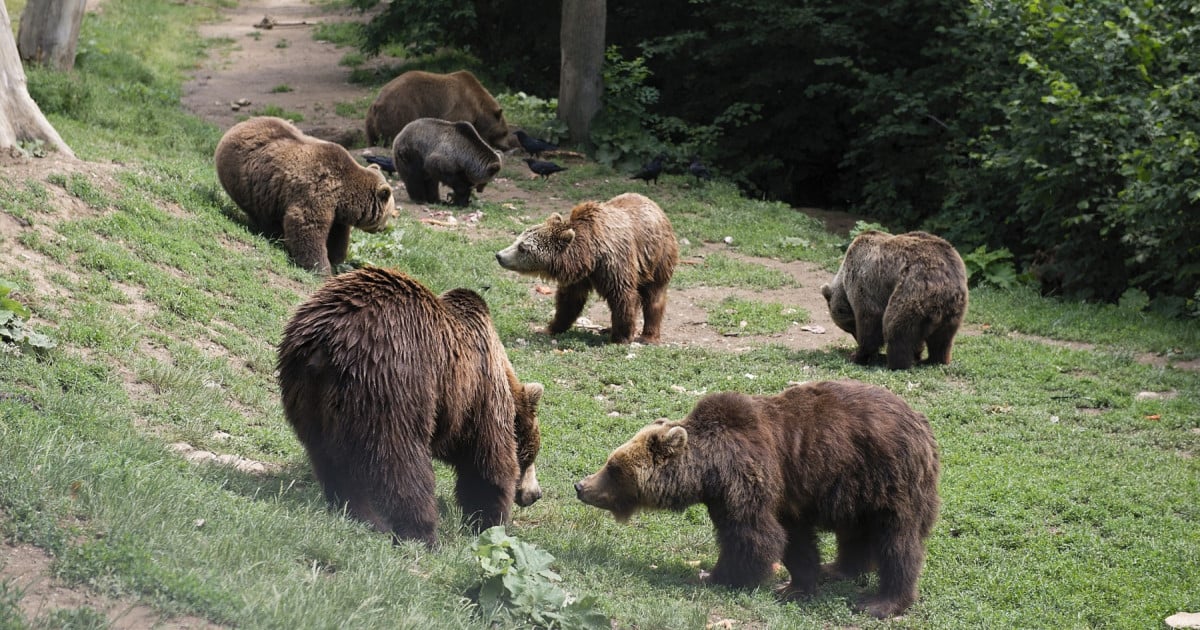
We partnered with Asociatia Milioane de Prieteni, an animal association in Romania, to create and manage Europe’s largest bear sanctuary. The sanctuary was created to facilitate the legal confiscation of captive bears from poor welfare conditions and ensure the lifetime care of those bears. As part of their fundraising programme, the sanctuary is open to paying visitors since mid-2013 in a way that does not adversely affect the welfare of the bears.
The travel industry can play a key role in a responsible future for bears and other wild animals by only promoting and selling such responsible wildlife experiences.
RESPONSIBLE WILDLIFE TOURISM INITIATIVES
Since 2005, World Animal Protection supported Asociatia Milioane de Prieteni (AMP) in creating the world’s largest bear sanctuary.
Learn moreResponsible wildlife tourism involves visiting natural environments to observe, or photograph wild animals and plants in their natural habitats at a safe distance.
Irresponsible or mass wildlife tourism exploits over 500,000 wild animal in the name of entertainment at tourist attractions for selfies, shows, rides and display.
Responsible travel uses sustainable transport, supports local residents’ livelihoods and communities, conserves our natural environment, and protects animal welfare.
Sustainable tourism focuses on ensuring we leave the places we visit unharmed. This means making sure that we consider the wider effects of our visit, including the economic, social, and environmental impact.
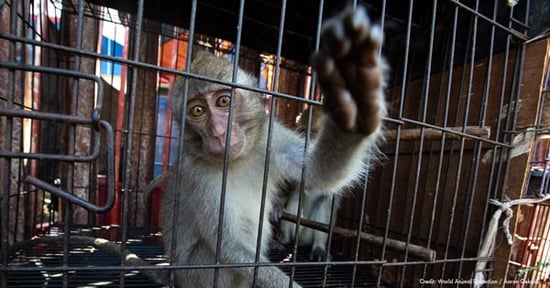
Every animal deserves a life worth living – from captive monkeys used for entertainment to mother pigs in cages in factory farms.
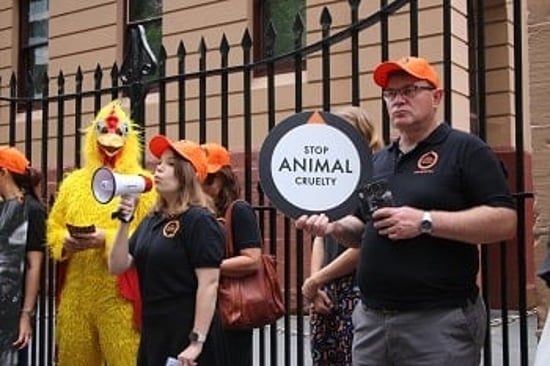
Take action today by signing our petitions and pledging to protect wildlife and farm animals.