No Substitute for the Wild
Read our ' No Substitute for the Wild ' report that examines the implications of continuing to breed animals into captivity in Queensland.
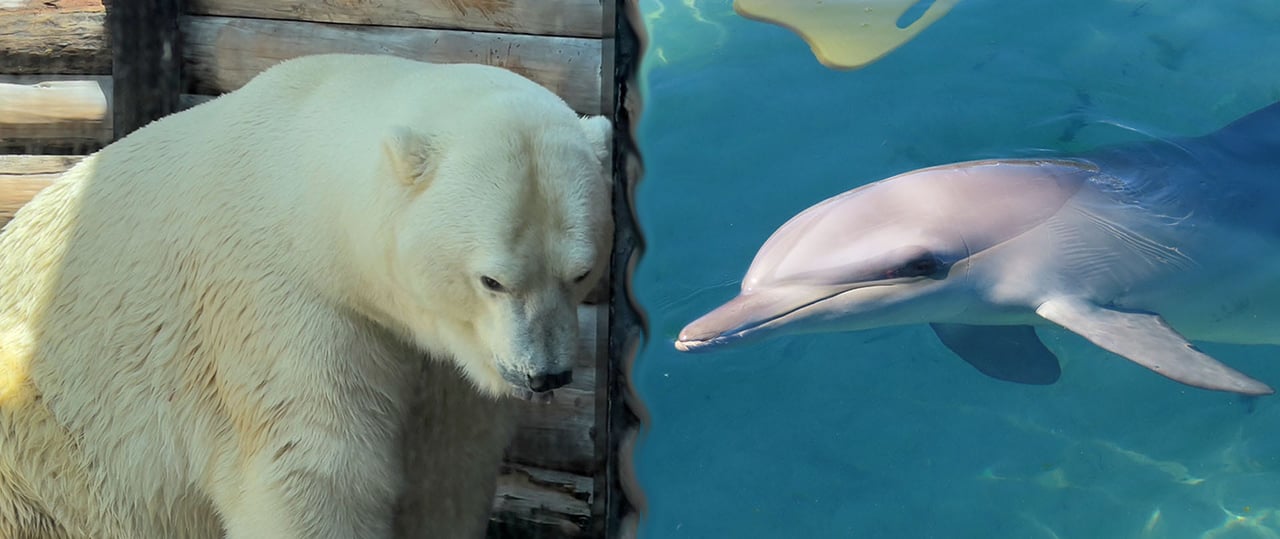
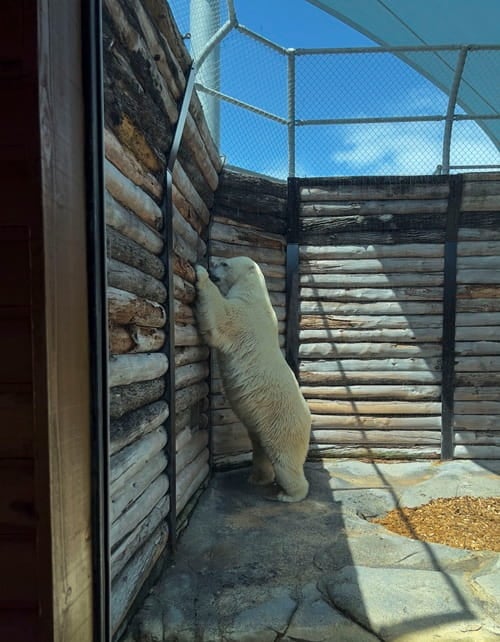
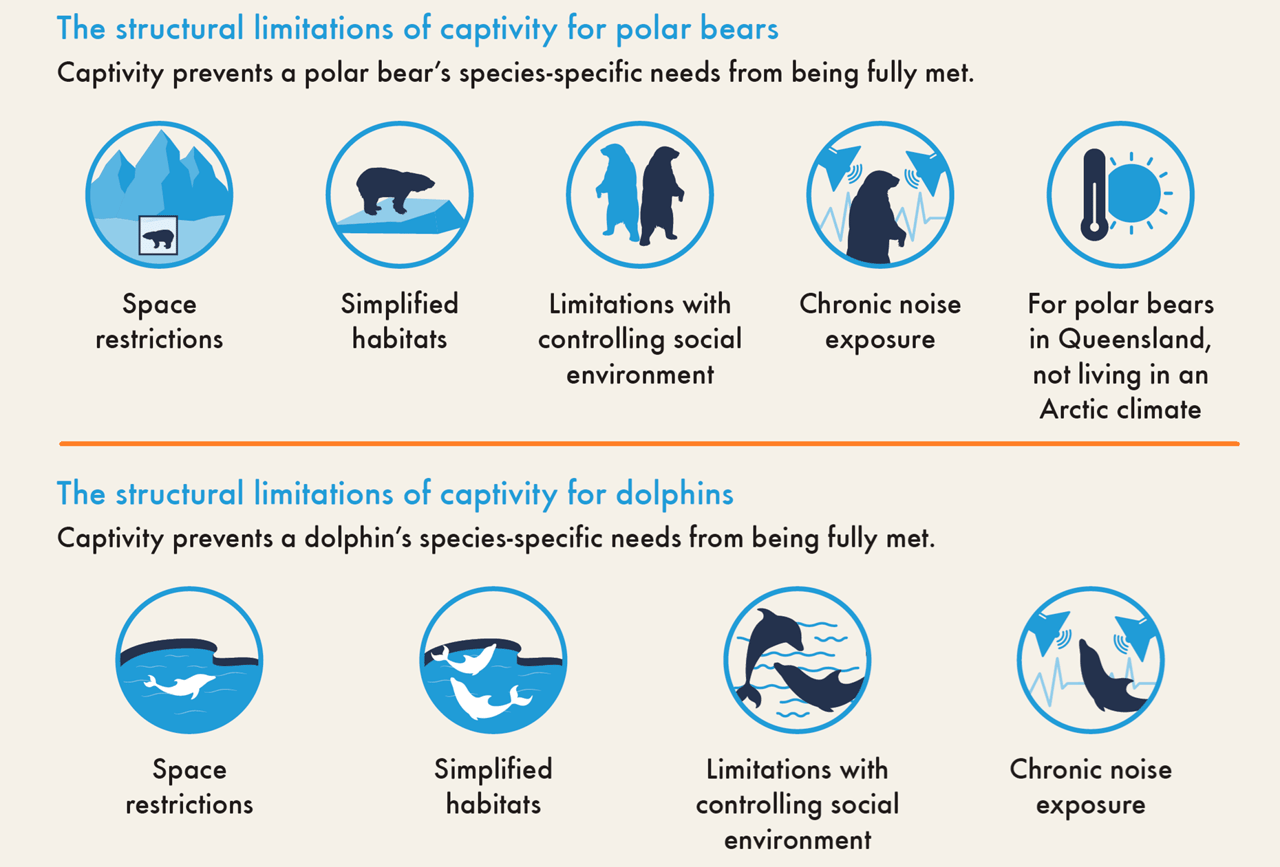
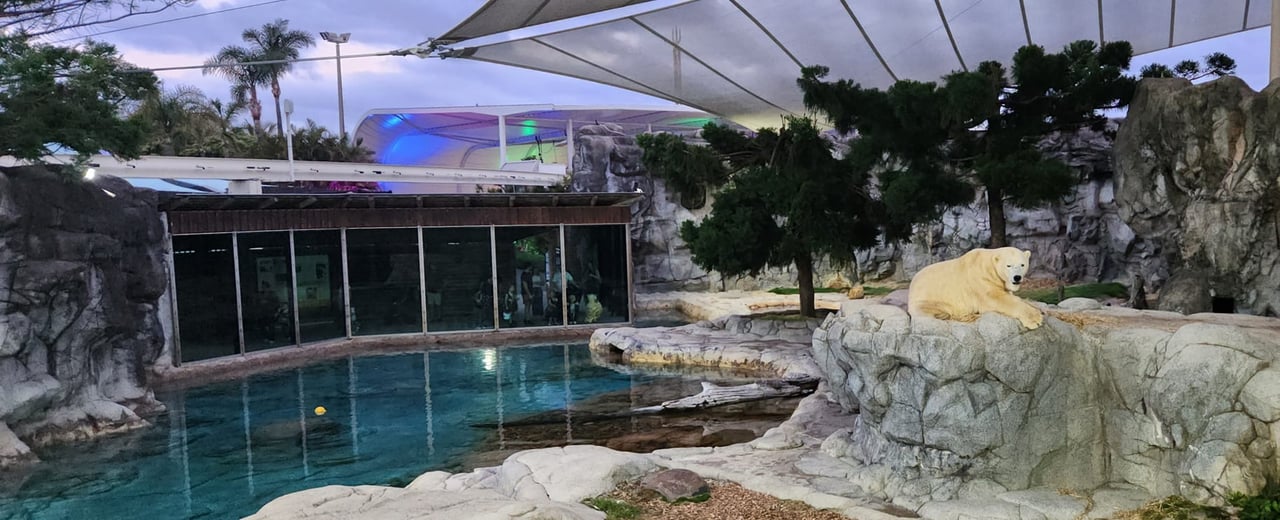
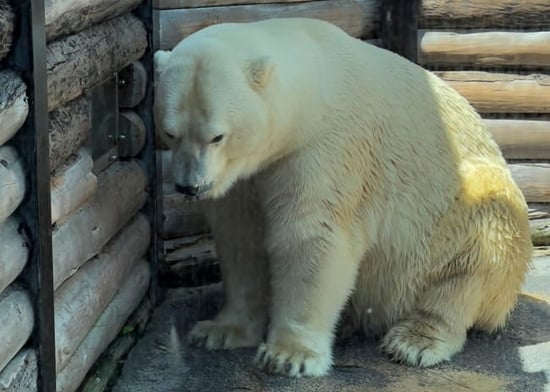
Right now, Sea World is keeping polar bears — adapted to live in freezing Arctic environments — in the hot Gold Coast climate. In the theme park's so-called “world-class” enclosures, they have only a fraction of the space they would have in the wild.
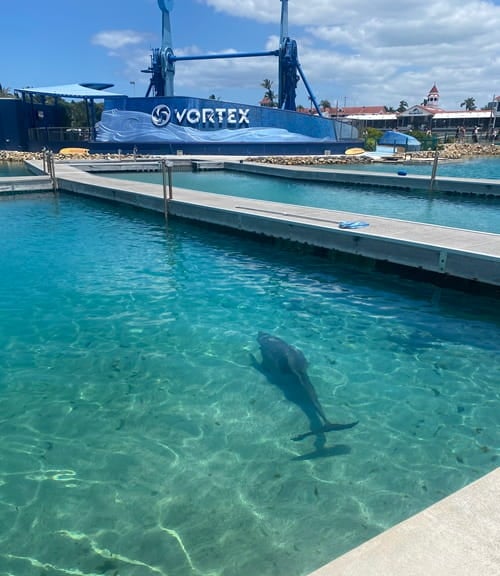
But they’re not the only animals living a life of misery in captivity at the venue. Dolphins, who can cover up to 100 kilometres a day in the wild, are made to live in an artificial lagoon that could never truly replicate their wild homes. On top of this, they’re repeatedly exposed to the loud noise of rollercoasters, helicopter flights and crowds.
Shockingly, the venue is allowed to continue breeding more of these thinking, feeling beings for decades in captivity. All just to entertain tourists who visit their venue.
But YOU can help put an end to this cruel practice. Will you urgently tell Sea World and the Queensland Government to work together and end captive breeding for good?
Sea World claims its enclosures replicate natural environments. However, our latest report with Action for Dolphins shows that a theme park cannot match the Arctic conditions polar bears evolved for or the vast, open waters dolphins explore in the wild.
Polar bears are perfectly adapted to freezing Arctic environments. Yet Sea World’s Hudson, Nelson and Mishka endure subtropical heat with temperatures averaging 20-28 degrees during the summer season at Sea World.
And bottlenose dolphins, who can travel vast distances in a single day in the wild, are confined to artificial lagoons at Sea World, dramatically limiting the space they have. Dolphins are social creatures that, in the wild, interact with hundreds of pod-mates and hunt communally. Captivity strips dolphins of choice, including who they socialise with.
Sound is another vital part of a dolphin’s life. They use it to navigate, communicate and find food. Heartbreakingly, at Sea World on the Gold Coast they are exposed to loud noise from rollercoasters, helicopters, fireworks and crowds at the venue.
A growing number of regions have restricted or ended dolphin captivity by banning breeding, imports or public displays to align with shifting public expectations. In Australia, New South Wales has banned captive dolphin breeding, leaving Queensland as the only state still continuing the practice.
If the Queensland Government continues to allow captive breeding at Sea World, a polar bear cub born today could still be on display at the venue in 2050, and a dolphin calf born today could still be performing in 2070.
Join us in sending Sea World and the Queensland Government the message that polar bears and dolphins don't deserve to be bred into a life in captivity.
Recent polling commissioned by World Animal Protection shows that 68% of Queenslanders would support a polar bear breeding ban at Sea World, and 59% would also support a ban on Sea World breeding dolphins.
It also found that 75% of Queenslanders think the Gold Coast climate is an unacceptable place for polar bears to live. A captive breeding ban is backed by scientific evidence, community expectations and global trends.
Please join us in sending Sea World and the Queensland Government a strong and clear message that polar bears and dolphins don't deserve to be bred into a life in captivity.
Together, we can make this the last generation of polar bears and dolphins to suffer in captivity for entertainment.
Read our ' No Substitute for the Wild ' report that examines the implications of continuing to breed animals into captivity in Queensland.
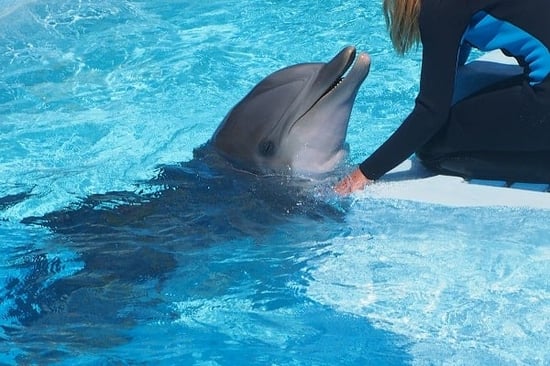
Dolphins are intelligent and sociable wild animals. They belong in the ocean, not bred in captivity for entertainment.
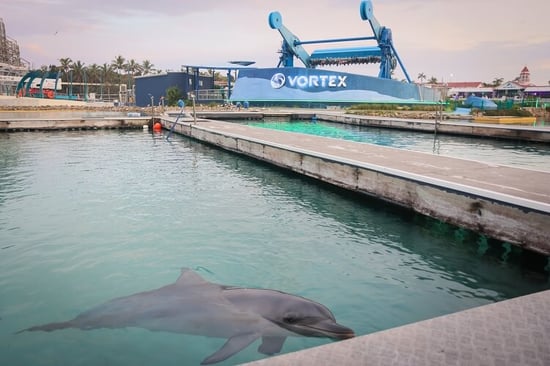
Dolphins are intelligent and sociable wild animals. They belong in the ocean, not bred in captivity for entertainment.