South Korea moves to ban bear bile farming
News
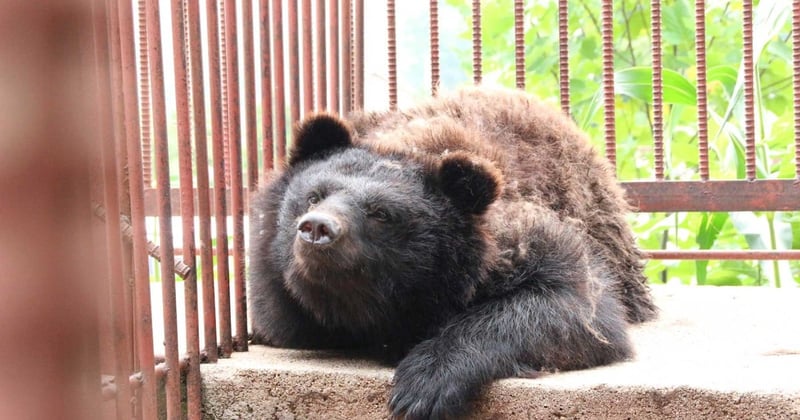
A historic victory for bears has finally been achieved in South Korea after decades of relentless effort, dedication, and tireless advocacy.
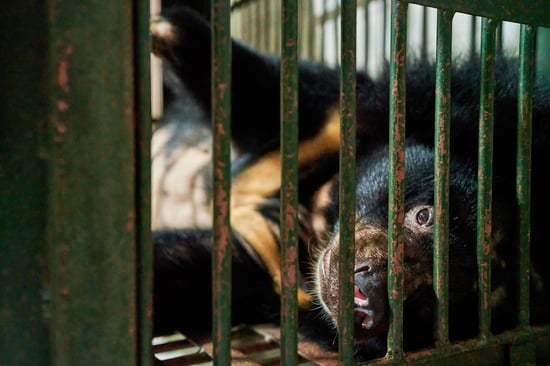
Image credit: Green Korea United
On January 1, 2026, the bear bile farming industry that kept these wonderful creatures in tiny cages, enduring pain and suffering, came to an end.
World Animal Protection has worked for more than 30 years to protect bears across the globe. The historic bear bile ban in South Korea must now be backed by further protections for bears.
Ending the South Korean bear bile industry through decades of advocacy
Since 2003, we have partnered with Green Korea United (GKU) to end the bear bile industry in South Korea by building public support and advocating for the improved welfare of captive bears.
As a result of these efforts, the government introduced a sterilisation programme on bear farms to prevent breeding, ensuring that no new cubs are born into a lifetime of captivity and suffering.
This major step taken by the government is critically important, as achieving a last generation of exploited animals is a vital first step toward phasing out the industry.
It ensures that animal numbers will gradually decline and that resources can be focused on providing better welfare for the few remaining animals.
What the bear bile ban in South Korea means for captive bears
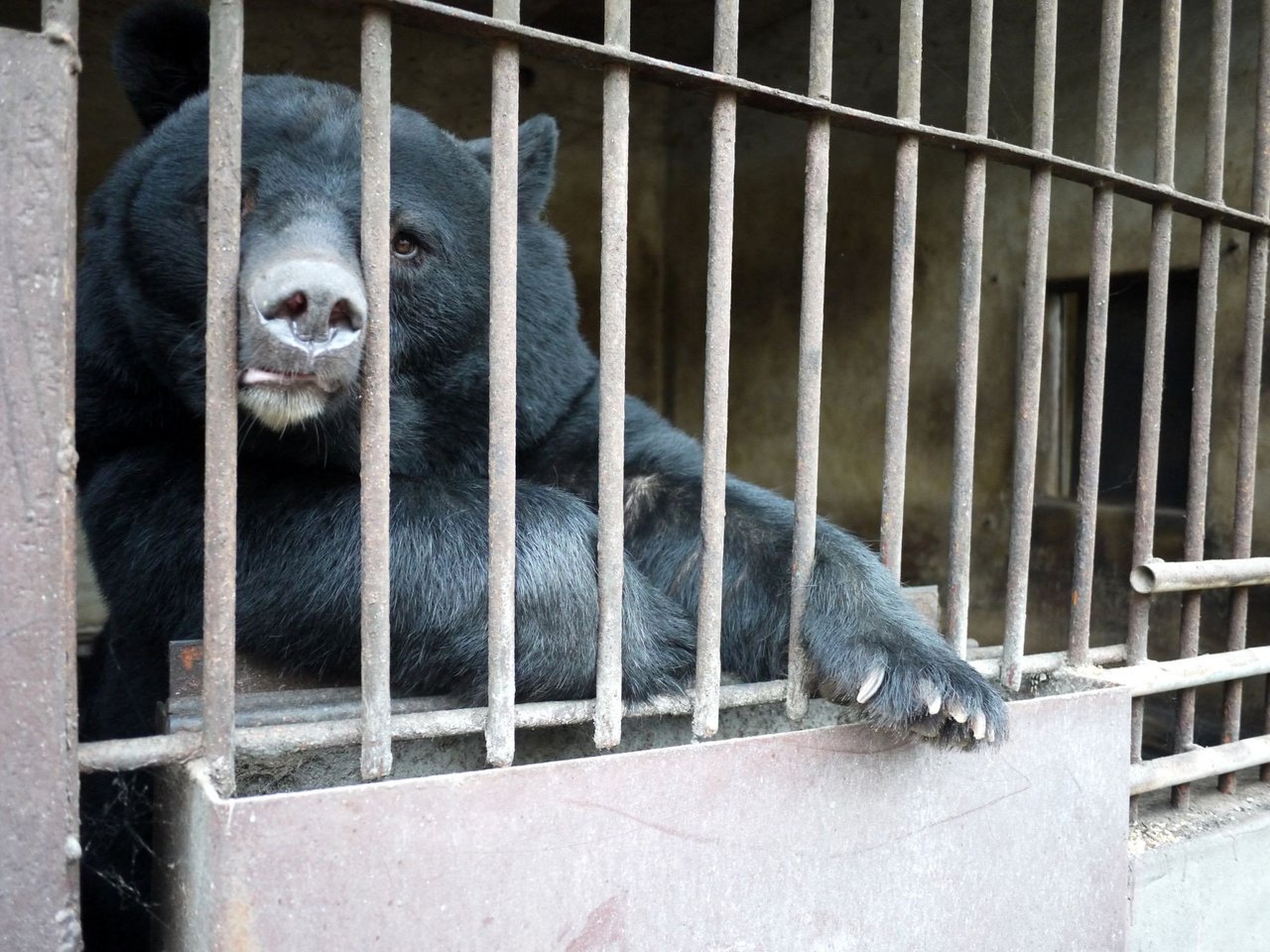
From 1 January 2026, the ownership, breeding, and trade of bears and bear parts is prohibited and will be subject to fines and criminal penalties.
The government has granted a six month grace period to enable a transition for bears still held on farms.
Further protections still needed for bears in captivity
However, a legal ban does not automatically guarantee the welfare of bears who remain in captivity.
While some of the bears have been relocated to government built or NGO operated sanctuaries, there is a shortage of facilities capable of accommodating the remaining rescued bears due to be given up by farmers.
Further measures are still needed to ensure that all remaining bears can live out the rest of their lives safely and with dignity.

We welcome the Government of the Republic of Korea's commitments to date, including delivering the legal prohibitions required, and their efforts to find solutions for bears who will be surrendered by the farmers as a result, through enabling sanctuary capacity.
However, we are urging the government to take further action to support the long-term care of the remaining bears so that they can enjoy fulfilling lives free from suffering and abuse.
A model for ending bear bile farming across Asia
We appreciate GKU for its hard work in helping move the South Korean government toward ensuring that this will be the last generation of bears to be cruelly exploited for commercial purposes. GKU will continue its independent efforts until the bear bile industry is fully and permanently ended.
We hope that these actions will serve as a model for other countries in Asia and contribute to ending cruel bear bile farming across the region.
Together, we will ensure that bear bile farming becomes a dark chapter of history.
FAQs
What is bear bile farming?
Bear bile farming is a deeply inhumane practice in Asia, where bears are confined in cramped, filthy cages and subjected to painful procedures to extract their bile for traditional medicine. These conditions cause lifelong suffering, with many bears enduring up to 20 years of physical and psychological torment.
What is bear bile used for?
Bears endure unimaginable pain for their bile to be used in traditional medicine. A product of cruelty that can be easily replaced with affordable herbal and synthetic alternatives. Shockingly, bear bile is also used in non-essential luxury products such as face masks, wine, soda and tonics illegally.
How is bear bile harvested?
The cruel process of bile extraction typically involves luring a captive bear into a ‘crush cage’. This cage is designed in such a way that a bear is unable to defend herself as a large needle is plunged deep inside her abdomen.
Bear facts
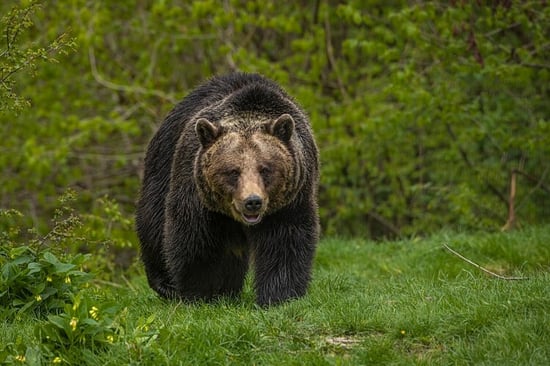
Did you know there are eight species of bears including the Asiatic black bear, sloth bear, sun bear, and brown bear?
Traditional medicine
Every year, thousands of animals are bred in captivity or snatched from the wild to fuel the traditional medicine market.
Donate to help bears
Every day that passes, bears are being needlessly abused in the name of traditional medicine.